Last updated: November 2026. General information, not medical advice. Laser treatment needs a consultation and eye protection.
Lasers are sold by brand and wavelength, but treatment is decided by target: pigment, vessels, hair, texture. This hub collects what each device does, what it cannot do, and what to ask before you buy a course.
On this page
Four targets
Swipe to see all columns →
| Target | Typical device | Sessions |
|---|---|---|
| Pigment | Q-switched, picosecond, IPL | 1–3 |
| Vessels | Pulsed dye, KTP, Nd:YAG | 2–5 |
| Hair | Diode, alexandrite, Nd:YAG | 6–8 |
| Texture, scars | Fractional CO2, erbium, RF needling | 2–4 |
How the device is chosen
By target, depth and skin type. A clinic with one device will recommend that device for everything — the most common reason a course fails.
Safety and eye protection
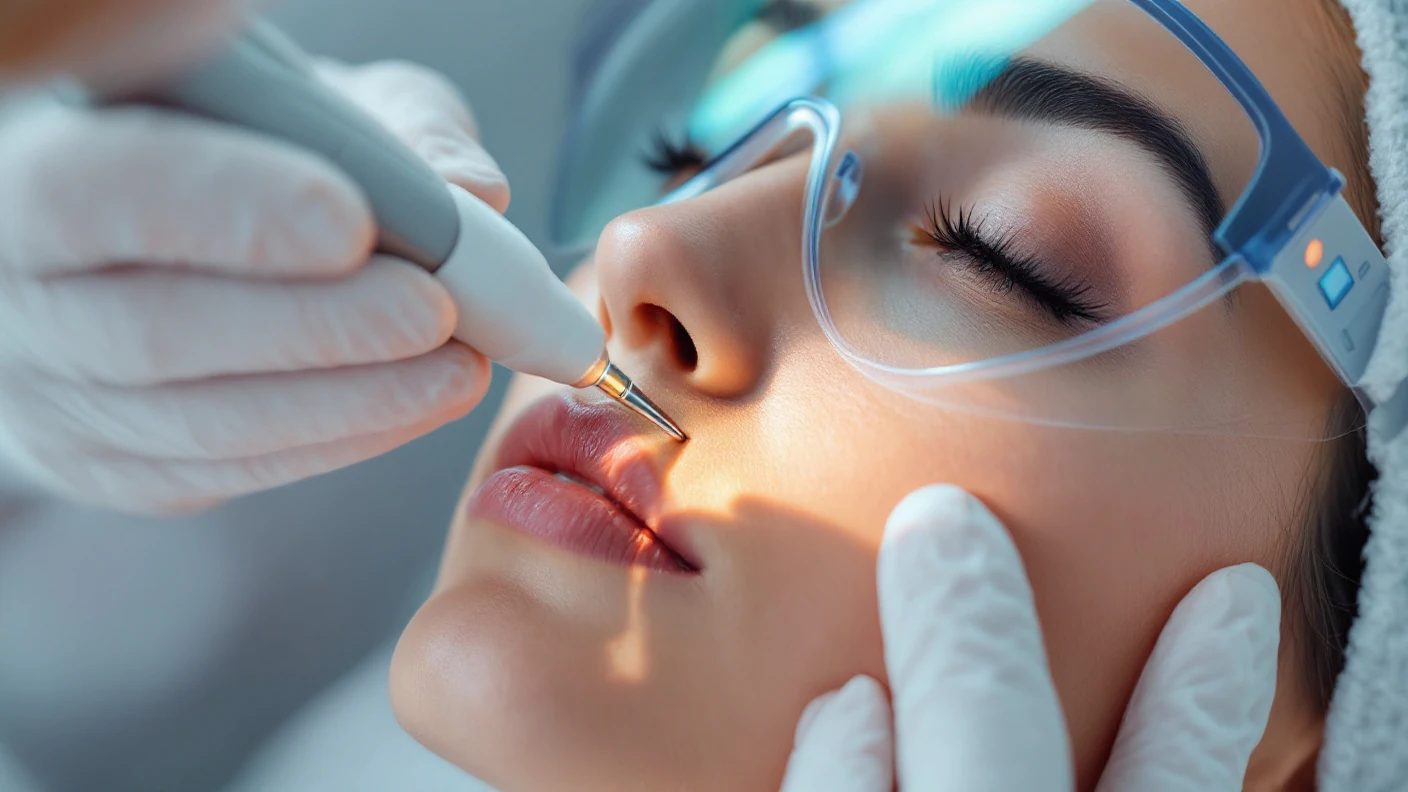
Eye shields for patient and staff, test patch on darker or tanned skin, and a clinician who can manage a burn or pigment change. These three things prevent most complications.
What to ask
Before booking — ticks are saved in your browser.
0 of 5 checked
Expert note
“Ask which wavelength and why. If the answer is ‘our machine’, you are being fitted to the equipment, not the diagnosis.”
Dr. Karim Haddad
Dermatologist, laser medicine
By clinic and city
Questions people ask
Is laser painful?
A hot snap or rubber-band sensation; numbing cream for stronger settings.
How many sessions?
One to three for pigment, two to five for vessels, six to eight for hair.
Can laser damage skin?
In untrained hands, yes — burns and pigment change. With the right device and settings, risks are low.
Sources
Which laser for which skin.
Read the laser guide